

Table of Contents
🧠 INTRO
AI layoffs are sending a shocking tremor through Silicon Valley and beyond — and it’s all because of AI. AI Todays News has confirmed that in 2026 alone, over 50,000 tech workers have been laid off as companies like Meta and Amazon scale back human roles in favor of automation. This isn’t gradual change — it’s a tidal wave of job losses that could reshape careers, families, and entire industries. If you think AI is just tech talk, think again — it’s now affecting livelihoods everywhere.
What Just Happened: AI Layoffs Hit Record Levels
AI’s rapid rise in automation has now triggered one of the biggest employment shifts in the tech industry. In the first months of 2026, companies from the Bay Area to Seattle have announced layoffs totaling more than 50,000 tech jobs. Desks stand empty, resumes are being rewritten, and entire development teams are shrinking — not because of poor performance, but because machines are replacing human roles.
Meta, once a symbol of social media dominance, confirmed major reductions in engineering and operations teams. Amazon revealed cuts in logistics and AWS development staff as algorithmic systems take over routine tasks. These layoffs are not isolated. They represent a new reality where AI systems are performing complex work previously done by humans.
It’s the fastest wave of job loss the industry has seen in decades, and it’s happening right now — not in some distant future.

Why This Matters to the World and Everyday Lives
This explosive shift matters because it touches real lives. Tech jobs are high‑paying and coveted around the globe. When they disappear overnight, the ripple effects reach far beyond Silicon Valley. Young professionals planning careers in coding, UX design, cloud computing, and data science are now reconsidering long‑term stability.
Financial planners are sounding alarms. Workers with mortgages, student loans, and families to support are suddenly facing uncertainty. Countries dependent on tech employment are seeing local economies strain. This isn’t a whisper — it’s a global wake‑up call.
For the first time, AI is affecting not just productivity metrics, but people’s paychecks, futures, and day‑to‑day lives.
How the AI Job Revolution Works (Explained Simply)
AI systems like advanced automation engines and machine learning algorithms are no longer just assistants. They now:
- Diagnose issues without human oversight
- Write and debug software code
- Manage cloud infrastructure autonomously
- Optimize logistics and supply chains
- Analyze data faster than human teams
Companies deploy these systems because they are faster, cheaper, and operate 24/7 without human limitations. What used to take teams of engineers and analysts now happens automatically with AI pipelines.
In simple terms:
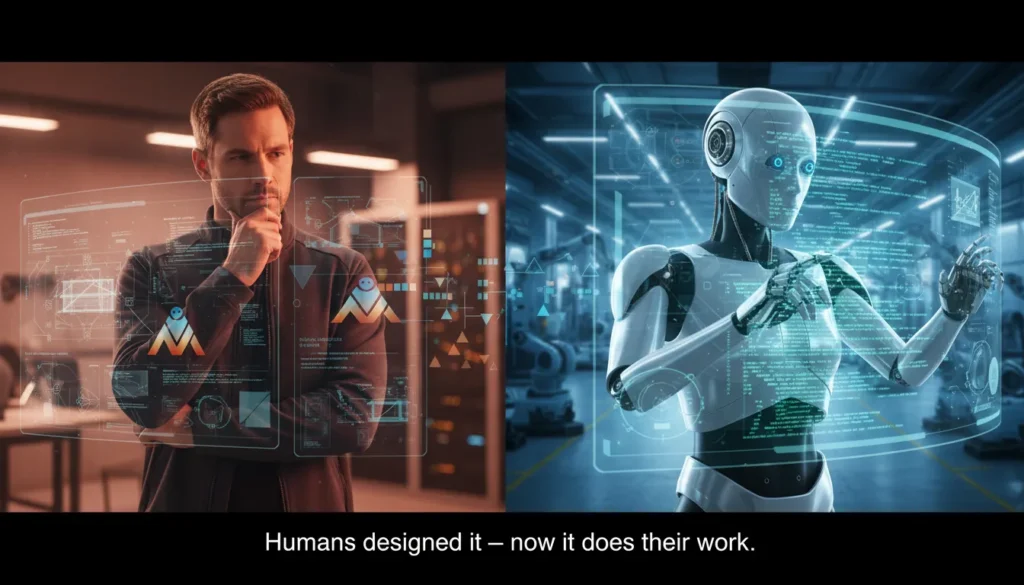
Before, humans commanded machines.
Now, machines do the work without commands.
This shift is the heart of the layoffs — AI isn’t replacing one job, it’s performing entire job functions at scale.

Real World Impact on People and Businesses
For many laid‑off workers, the impact is immediate and personal. Tech professionals once secure in their careers now face months of job hunting. Salaries once taken for granted are suddenly in question.
But companies are seeing the flip side too. Productivity metrics have soared in units where AI replaced manual work — fewer errors, faster turnaround, and massive cost reductions. Investors are applauding these changes with rising stock prices in firms adopting high automation.
Still, analysts warn of a growing imbalance: more profits for companies, but fewer opportunities for workers left behind. This creates economic pressure not just on individuals, but on tax systems, insurance programs, healthcare costs, and educational systems as displaced workers retrain.
What Happens Next: Predictions and the Future
Experts predict that if this trend continues, more than 100,000 tech jobs could be automated by the end of 2026. Entry‑level positions, mid‑level roles, and even senior management functions are being redefined around AI capabilities.
Some governments are considering universal basic income (UBI) as a safety net. Others are investing in retraining programs focused on AI supervision, ethics, and creative collaboration. The idea of a lifelong career at one company is fading; the concept of lifelong learning is rising.
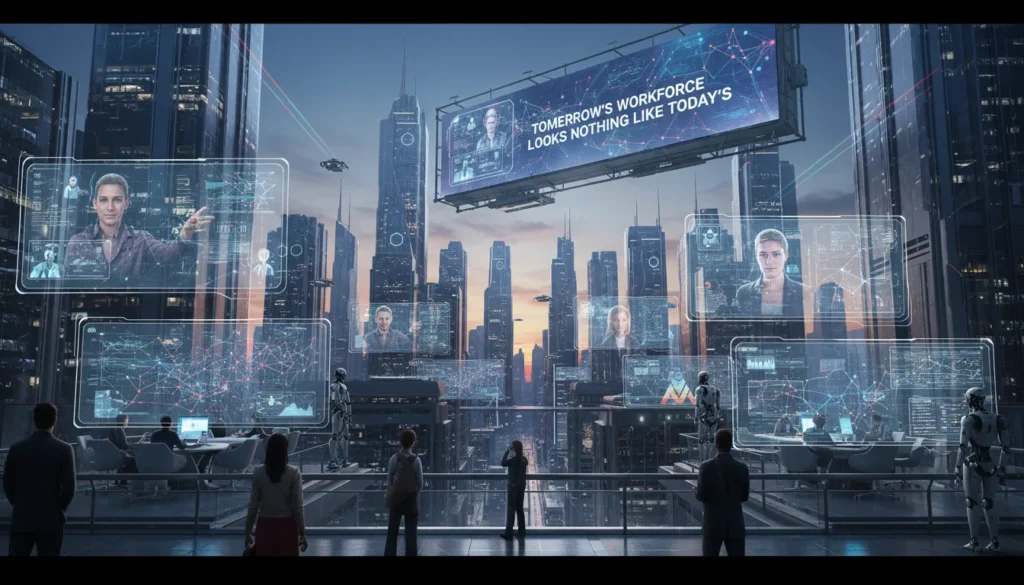
But one thing is certain: the workplace of tomorrow will not resemble the workplace of yesterday. Those who adapt to work with AI — not compete against it — will thrive.
📌 BENEFITS
- Understand why over 50,000 tech jobs vanished in 2026.
- Recognize how AI automation is reshaping employment.
- Learn the emotional and economic impact on families.
- Grasp how AI performs human‑level work now.
- See the difference between assisting and replacing roles.
- Discover how businesses benefit from AI adoption.
- Learn which jobs are most at risk next.
- Explore future workforce predictions and trends.
- Understand the debate around retraining and UBI.
- Prepare for how AI will continue changing careers.
✍️ ENDING
As AI does work once reserved for humans, the very nature of employment has shifted in 2026. This isn’t a temporary glitch, but a permanent transformation — and its effects will ripple through generations. The jobs lost today could guide the careers of tomorrow.
What do YOU think about the AI‑driven layoffs reshaping the job market?
This is the kind of news that changes everything — and we want to hear your thoughts.
Drop your opinion in the comments below.
Share this post with one person who needs to read this.
And if you want to stay ahead of the AI revolution every single day — follow AI TODAYS NEWS right now.
The future is moving fast. Don’t get left behind.