


Table of Contents ( Cursor AI Startup )
⚡ INTRO
A shocking claim about SpaceX vs AI Startup Cursor has taken over the internet, but the truth is far more confusing than it looks.
On AI Todays News, we break down what is real and what is just viral speculation spreading online.
Right now, social media is filled with confusion, rumors, and exaggerated claims.
But is there actually a deal? Or is it just another AI hype storm?
Let’s uncover the truth.

📰 WHAT HAPPENED
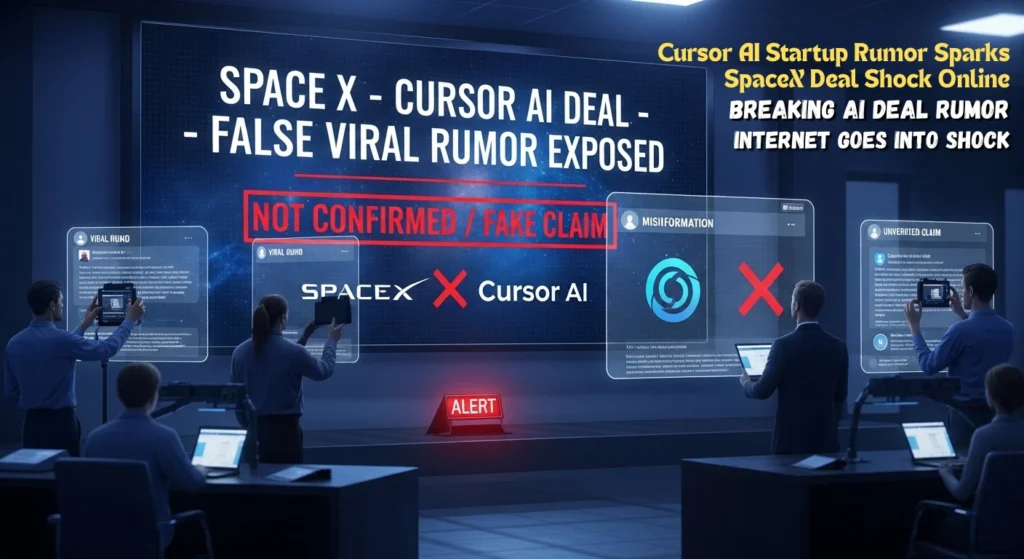
A claim recently started circulating on social media suggesting that SpaceX might be involved with AI startup Cursor in a large-scale deal. The post quickly gained attention because it included well-known names from the tech world, which naturally made people curious.
As the rumor spread, some users and pages began exaggerating the story further, adding claims of multi-billion-dollar acquisition figures and secret negotiations. These inflated versions made the topic even more viral and widely discussed online.
However, despite all the buzz, there has been no official confirmation or statement from either SpaceX or Cursor regarding any such deal or partnership. Neither company has publicly verified these claims.
Because of this, the entire story remains unverified, speculative, and based on online rumors rather than factual reporting.
🤯 WHY IT MATTERS
AI news spreads at an extremely fast speed, especially when it involves big and trusted names like SpaceX, OpenAI, Google, or other major tech companies. Even a small mention or unclear claim can instantly attract massive attention because people are already highly interested in AI and future technology.
Because of this, even fake or unconfirmed posts can go viral within just a few hours, reaching millions of users before any proper verification happens. Once the information starts trending, it becomes even harder to control or correct.
This creates a major problem where people often get confused between real verified tech news and social media hype or rumors. Both appear similar on the surface, especially when presented with dramatic headlines or viral posts.
In the end, it clearly shows how easily misinformation can spread in the AI era, where speed is higher than accuracy, and emotional content often travels faster than the truth.

⚙️ HOW IT WORKS
Modern social media platforms like X (Twitter), YouTube Shorts, Instagram, Facebook, and Reddit are designed in a way that they can amplify a single claim within minutes. A small post, even if it is unverified or unclear, can quickly spread across millions of users if it catches attention. The speed of sharing is so high that fact-checking often comes later, after the content has already gone viral.
This happens especially when a post includes big company names, large money figures, or AI-related buzzwords. These elements automatically trigger curiosity and emotional reactions in people, making them more likely to click, share, and comment without verifying the truth.
As a result, such content can go viral even without any proof or official confirmation. The algorithm of these platforms prioritizes engagement over accuracy, which means controversial or shocking claims spread faster than verified information. That is exactly what happens in cases like this, where rumors about AI deals or tech companies gain massive attention before being fact-checked.
🌍 REAL-WORLD IMPACT
Even fake or unverified AI news can spread extremely fast and create real-world effects before the truth is even confirmed. In many cases, such news can affect investor sentiment, where people start reacting emotionally in financial markets based on headlines rather than facts. This can lead to sudden panic, hype, or wrong investment decisions.
It can also create confusion in tech markets, especially when big companies like SpaceX, Google, or AI startups are mentioned. Even a small rumor can change how people view a company’s future, causing unnecessary speculation and volatility.
Most importantly, it can mislead audiences on a large scale. People often trust viral posts without verifying them, which leads to misinformation spreading further. Over time, this builds a cycle where false news gets more attention than real news.
This is why verification is extremely critical in AI journalism, because in the age of fast-moving digital information, checking facts before believing or sharing is the only way to stop misinformation from growing.
🚀 FUTURE (Expanded Version)
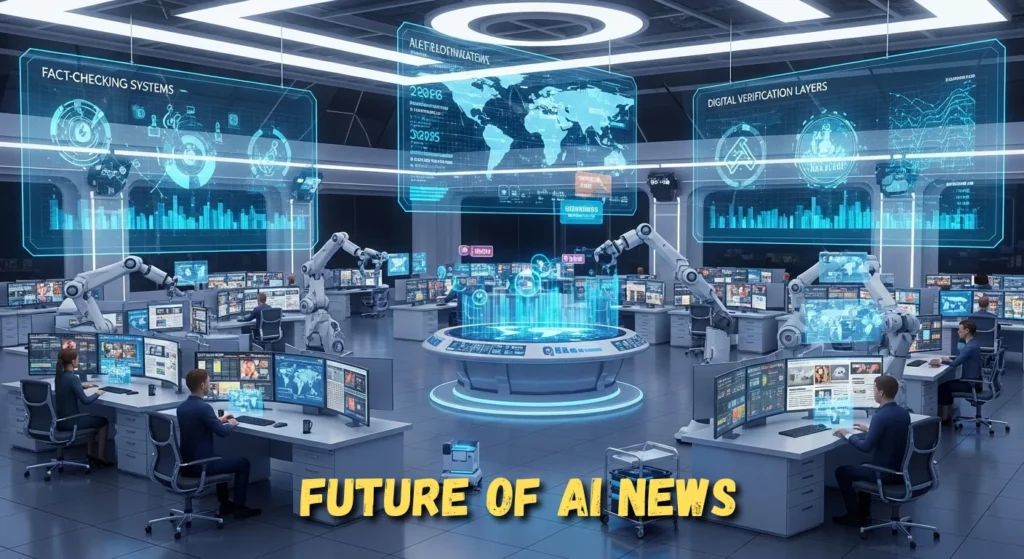
In the future, artificial intelligence will not just generate content or automate tasks, but will also become a powerful guardian of truth in the digital world. We may see highly advanced AI-powered fact-checking systems integrated into every major social media platform, news website, and search engine. These systems will instantly scan viral posts, videos, and claims in real time, comparing them with verified databases, trusted news sources, and historical data to determine whether information is real, misleading, or completely false.
At the same time, verified news badges will become extremely important. Just like verification marks on social media profiles, future news content may carry strong authenticity indicators such as “AI-verified,” “fact-checked,” or “trusted source confirmed.” This will help users instantly identify credible information without needing deep research or external checking, reducing confusion caused by viral misinformation.
We may also witness the rise of real-time rumor detection networks, where AI systems continuously monitor global social media activity. These systems will detect suspicious viral trends within seconds and flag them before they spread widely. In some cases, they may even slow down or limit the spread of unverified information until proper fact-checking is completed, creating a safer and more reliable information ecosystem.
All of this is becoming increasingly necessary because misinformation in the tech world is growing at an extremely fast pace. With AI-generated content, deepfakes, and viral social media posts becoming more realistic and widespread, it is becoming harder for people to distinguish between truth and manipulation. That is why the future of AI will not only be about creating smarter machines, but also about protecting people from digital confusion and ensuring that truth remains visible in an overwhelming flow of information.
🧠 VALUE INSIGHTS
- Always check official sources
- Don’t trust viral headlines instantly
- Big company names attract fake news
- AI topics spread faster than normal news
- Social media is not always accurate
- Look for press releases
- Verify before sharing
- Be aware of hype cycles
- Use trusted tech news sites
- Think critically before believing
✅ KEY TAKEAWAYS
- SpaceX-Cursor deal is NOT confirmed
- No official acquisition exists
- It is a viral rumor online
- Big tech names make stories spread fast
- Social media can create fake hype
- Always verify before believing
- AI news spreads extremely quickly
- Numbers like “$60B” are unverified
- Cursor is an AI coding startup
- SpaceX has no confirmed involvement
🚀 ENDING
This story proves how quickly AI-related rumors can explode online without any real confirmation.
In the fast-moving tech world, truth and hype often get mixed together.
That’s why understanding verification is more important than ever.
Stay alert. Stay informed. Don’t fall for viral confusion.
📢 CTA
What do YOU think about SpaceX vs Cursor AI rumor?
This is the kind of news that changes everything —
and we want to hear your thoughts.
Drop your opinion in the comments below.
Share this post with one person who needs to read this.
And if you want to stay ahead of the AI revolution
every single day — follow AI TODAYS NEWS right now.
The future is moving fast. Don’t get left behind.